what is hcl pepsin used for
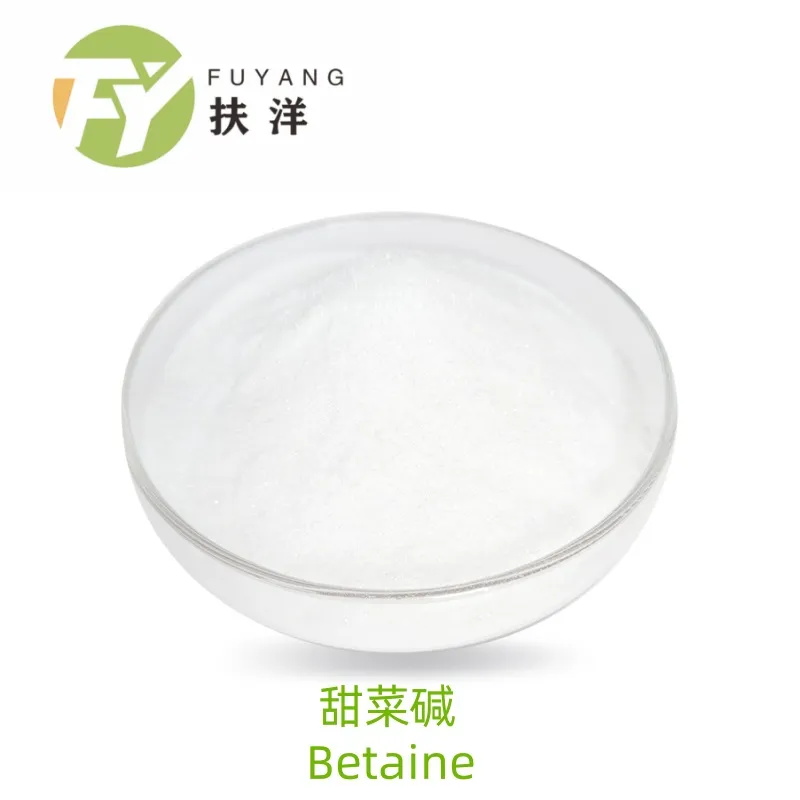
Betaine hydrochloride, commonly known as betaine HCl , is a vital compound widely used in health supplements and animal nutrition due to its multifaceted biological functions. Often combined with digestive enzymes like pepsin, betaine hydrochloride with pepsin enhances digestive efficiency and supports gut health. Whether in human dietary supplements or animal feed additives, betaine HCl plays a crucial role in improving metabolism, reducing stress, and optimizing nutrient utilization. This article explores the key advantages and practical uses of betaine HCl, highlighting its significance in both health and aquaculture sectors. Betaine HCl Supplement: A Powerful Methyl Donor for Metabolic Health The primary function of betaine HCl supplement lies in its role as an efficient methyl donor. Betaine replaces essential compounds such as methionine and choline to donate methyl groups required for synthesizing critical biomolecules, including proteins and nucleic acids. This methylation process is vital for cellular function, DNA repair, and metabolic regulation. By enhancing methylation, betaine supports liver function and detoxification pathways, contributing to improved overall metabolism. This aspect is particularly important in reducing the risk of fatty liver disease, where methyl donors help in metabolizing and transporting fats out of the liver. Consequently, betaine HCl supplements are valued for their ability to improve lean meat yield and enhance meat color in livestock production, thus benefiting animal growth and product quality. Betaine Hydrochloride with Pepsin: Enhancing Digestion and Gut Health Combining betaine hydrochloride with pepsin creates a potent digestive aid that supports protein breakdown and nutrient absorption. Pepsin is a key gastric enzyme responsible for degrading proteins into absorbable peptides. Betaine HCl contributes by acidifying the stomach environment, which optimizes pepsin activity. This synergy enhances digestive efficiency, particularly in animals or individuals with low stomach acid, improving feed intake and nutrient utilization. Moreover, betaine helps reduce stress responses and supports gut morphology by increasing the length of duodenal villi, which are essential for nutrient absorption. The improved gut environment promotes better health, higher feed conversion ratios, and overall productivity. Betaina HCl and Aquaculture: Supporting Health and Performance in Aquatic Species In aquaculture, betaina HCl plays a significant role in maintaining animal health and maximizing production. This compound stimulates appetite and improves survival rates in crustaceans and fish, particularly during stressful periods such as molting or environmental changes. By enhancing digestive enzyme activity and gut integrity, betaine supports efficient nutrient absorption in aquatic species, leading to better growth rates and feed efficiency. Its stress-reducing properties help animals cope with fluctuating water conditions, temperature variations, and handling stress, which are common challenges in aquaculture systems. The use of betaine HCl supplements in aquafeed formulations has become increasingly popular as producers seek natural additives that improve animal welfare and production outcomes without resorting to antibiotics or synthetic chemicals. Additional Benefits and Applications of Betaine Hydrochloride Beyond its roles in metabolism, digestion, and aquaculture, betaine hydrochloride offers several other advantages. It participates in lipid metabolism by boosting the efficiency of carnitine and phosphatidylcholine, compounds essential for fat transport and energy production. This effect helps reduce fat accumulation in tissues, enhancing lean mass and overall health. Betaine’s ability to reduce stress responses extends its benefits to various species under intensive farming or production conditions. By modulating physiological stress, betaine improves resilience and supports immune function, leading to healthier, more productive animals. In human health, betaine HCl supplements are sometimes used to aid digestion, especially for individuals with hypochlorhydria (low stomach acid), improving protein digestion and nutrient absorption. Its methyl donor function also contributes to cardiovascular health by regulating homocysteine levels. Betaine hydrochloride FAQs What is the main function of betaine HCl in animal nutrition? Betaine HCl primarily acts as a methyl donor, replacing methionine and choline to facilitate the synthesis of vital biomolecules. It improves lipid metabolism, reduces fatty liver risks, enhances meat quality, and supports digestive health by optimizing stomach acidity and enzyme activity. How does betaine hydrochloride with pepsin benefit digestion? The combination of betaine hydrochloride with pepsin enhances protein digestion by creating an acidic environment that activates pepsin. This synergy improves nutrient breakdown and absorption, particularly in animals or individuals with low stomach acid, leading to better feed intake and growth. Can betaine HCl supplements reduce stress in livestock and aquaculture species? Yes, betaine HCl supplements lower physiological stress responses, supporting gut health and improving survival rates. This is especially beneficial in aquaculture during molting or environmental stress and in intensive livestock farming conditions. What are the aquaculture benefits of using betaine HCl? In aquaculture, betaine HCl stimulates appetite, enhances digestive enzyme activity, and strengthens gut integrity, which together promote better growth, feed efficiency, and stress resilience, resulting in higher survival and production rates. Is betaine HCl safe for human consumption as a supplement? Yes, betaine HCl supplements are generally safe for human use when taken as directed. They support digestion by increasing stomach acid in cases of low gastric acidity and contribute to metabolic health through methylation. However, individuals should consult healthcare providers before use, especially if they have underlying conditions.